




News regarding the dangers of GMOs and biotech, and the advantages of organic sustainable agriculture.
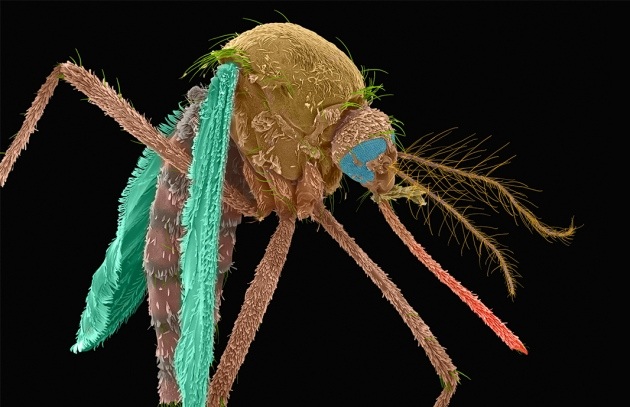
EPA Approves Lab Infected Killer Mosquitoes to be Released into the Environment
The US Environmental Protection Agency (EPA) has approved the use laboratory infected mosquitoes carrying the bacterium Wolbachia pipientis to be released into the wild. The laboratory-raised mosquitoes are meant to be a way to infect Asian Tiger mosquitoes, which are believed to carry harmful infectious diseases. The long term environmental consequences are unknown. Because mosquitoes are prey for birds and fish, the long-term effects on the greater ecosystem are unclear.

Glyphosate Weedkiller Found in All 5 Major Orange Juice Brands
In 2015 the USDA reported orange juice was the most consumed fruit juice in the United States and oranges were second most consumed fruit overall, just slightly behind apples. The average person in America consumes 2.7 gallons of orange juice and 3 pounds of oranges each year. “100% Pure Orange Juice” is a common claim used by many juice brands that allow consumers to feel safe when serving it to their families on a daily basis. However, recent testing revealed that every one of the five top orange juice brands Moms Across America sent to an accredited lab tested positive for glyphosate weed killer. Glyphosate is the declared active chemical ingredient in Roundup, manufactured by Monsanto, and 750 other brands of glyphosate-based herbicides. Roundup is the most widely used herbicide in the world, often sprayed as a weedkiller between citrus trees, found in irrigation water and rain.
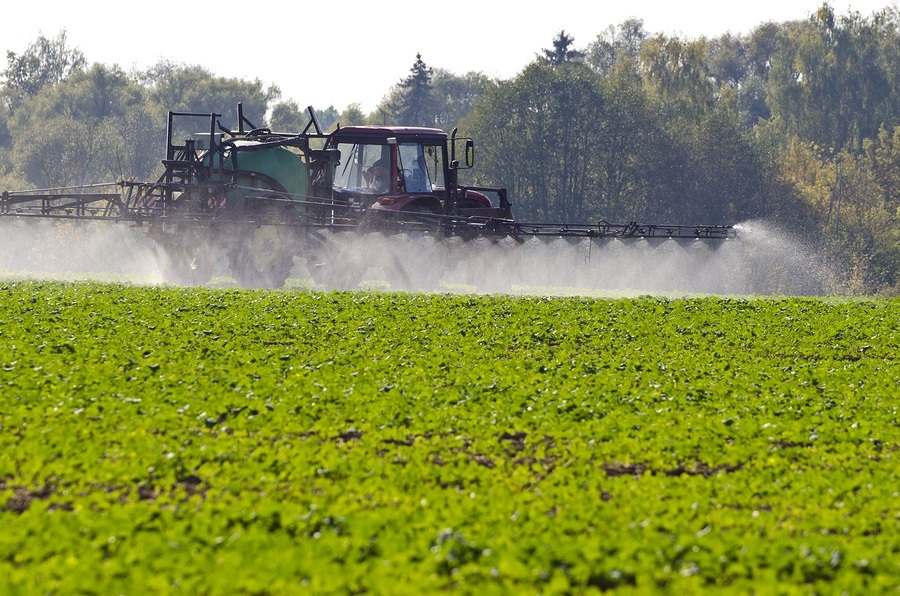
Study: Americans’ Exposure to Weed Killer Glyphosate Increases 500 Percent
A new study out this week suggests that Americans’ exposure to the herbicide glyphosate, a possible human carcinogen, has increased by roughly 500 percent since it was first used in U.S. agriculture more than 20 years ago.

European Lawmakers Want Glyphosate Weedkiller Banned in Europe by 2020
On 16 October a cross-party group of MEPs demanded a phase-out of glyphosate by December 2020. They want a ban on non-professional use of the herbicide and use in public parks or playgrounds after 15 December 2017, when the current authorisation expires. The MEPs want the Commission to withdraw its proposal for a 10-year renewal. The MEPs also want a ban on agricultural application after 15 December 2017 in cases where integrated plant protection methods are sufficient. They are asking for Common Agricultural Policy (CAP) funds to be made available to farmers to support the transition to more sustainable methods of weed control.
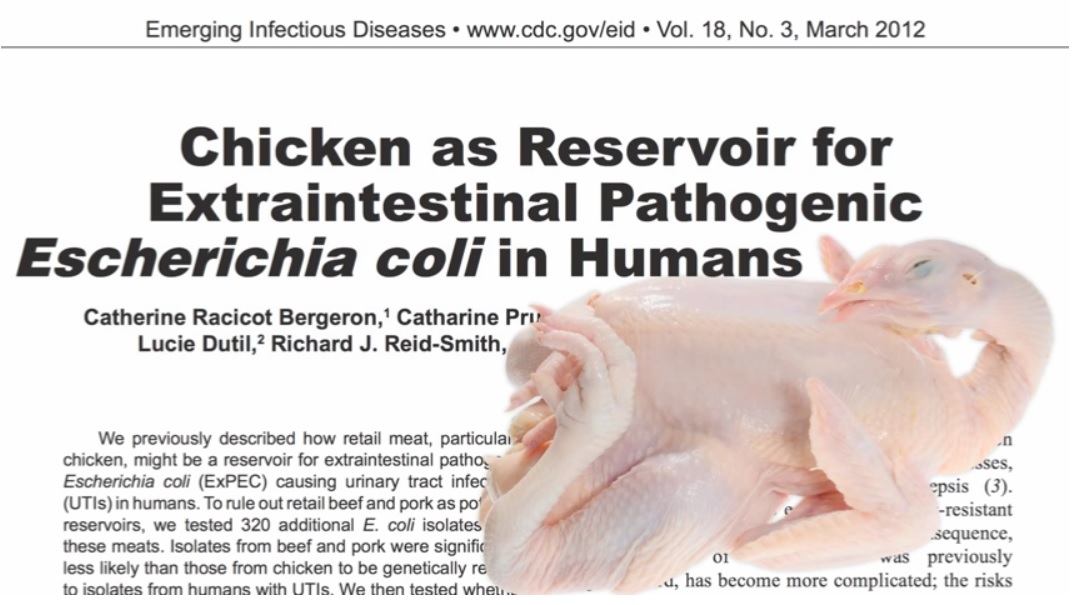
Chicken Meat Linked to Drug-Resistant UTI Epidemic
In the 2013 report "Antibiotic Resistance Threats in the United States" issued by the U.S. Centers for Disease Control and Prevention, 18 superbugs were identified as "urgent, serious and concerning threats" to humankind. The majority of these dangerous bacteria are in the gram-negative category, as they are equipped with body armor that makes them particularly resistant to the immune response. Most disturbing of all, an increasing number of bacteria are now exhibiting "panresistance," which means they're resistant to every antibiotic in existence. The emergence of E. coli carrying the drug-resistant mcr-1 gene is also major cause for worry. While this bacterium is most commonly thought of in terms of food poisoning, a form of E. coli known as ExPEC (which stands for extra-intestinal pathogenic E. coli) is responsible for over 90 percent of urinary tract infections (UTIs). Interestingly, while conventional wisdom has maintained that UTIs are primarily caused by sexual contact with an infected individual and/or the transferring of fecal bacteria from your anus to your urethra, research has linked drug-resistant UTIs to contaminated chicken meat. As early as 2005 papers were published showing drug-resistant E. coli strains from supermarket meat matched strains found in human E. coli infections. The researchers contend that poultry is the bridge that allows resistant bacteria to move to humans, taking up residence in the body and sparking infections when conditions are right.
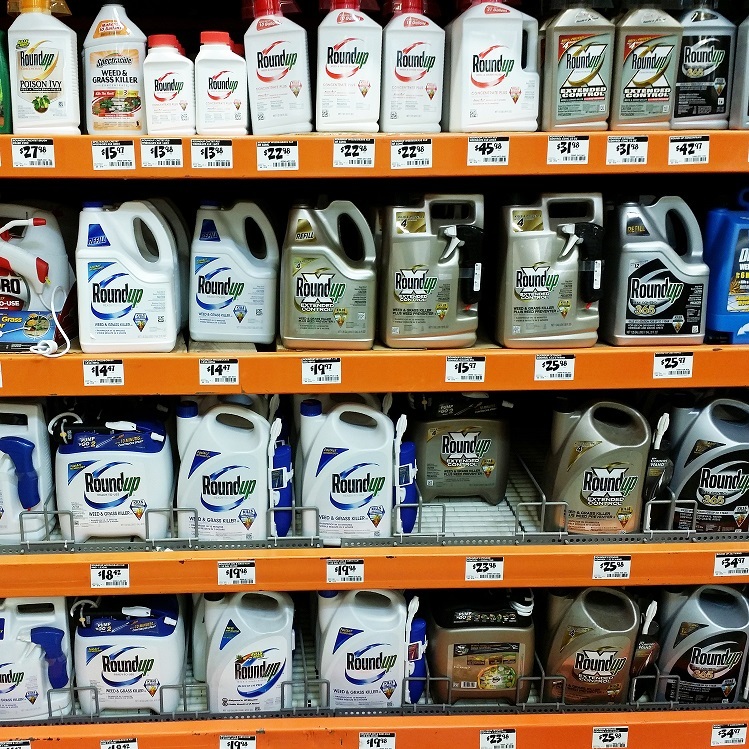
France to Ban Glyphosate Weedkiller by 2022: Government
France has decided to set 2022 as a deadline to phase out the use of glyphosate, the controversial active ingredient in one of the world's most widely used weedkillers, the government said on Monday. Glyphosate is the main component in the best-selling herbicide Roundup produced by the US agro-chemicals giant Monsanto, but there have been concerns it may cause cancer. "The prime minister... has decided that this product will be banned in France by the end of the government's term, as well as others that are similar and which are a public health threat," government spokesman Christophe Castaner told RMC radio.
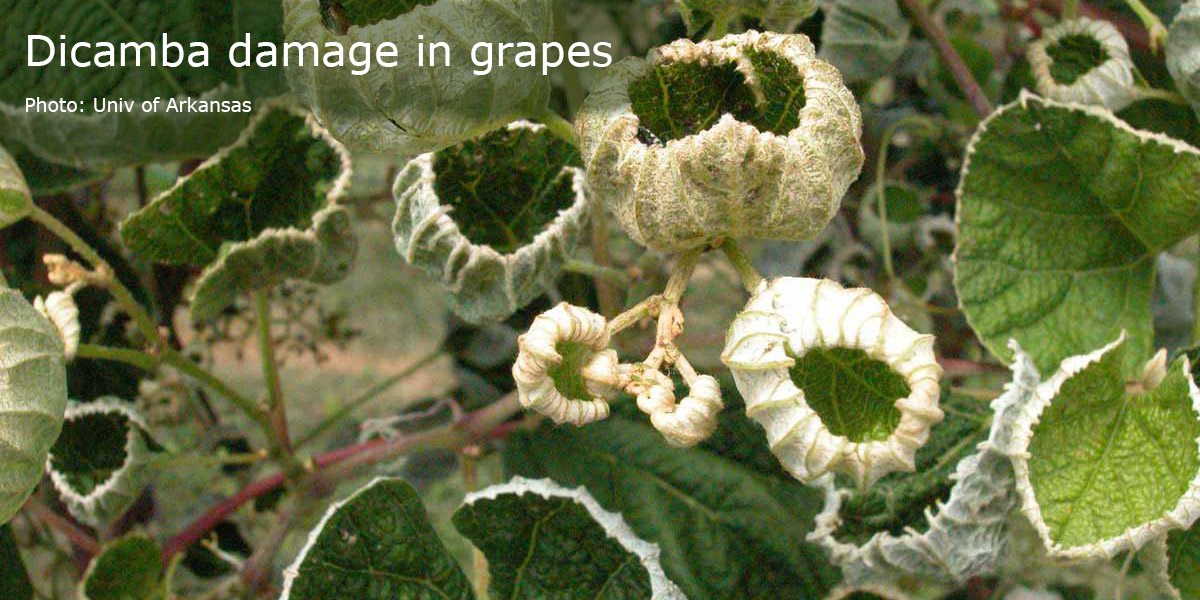
“Miracle” Weed Killer Dicamba was Supposed to Save Farms – Instead it’s Devastating Them
The damage here in northeast Arkansas and across the Midwest - sickly soybeans, trees and other crops - has become emblematic of a deepening crisis in American agriculture. Farmers are locked in an arms race between ever-stronger weeds and ever-stronger weed killers. The dicamba system, approved for use for the first time this spring, was supposed to break the cycle and guarantee weed control in soybeans and cotton. The herbicide - used in combination with a genetically modified dicamba-resistant soybean - promises better control of unwanted plants such as pigweed, which has become resistant to common weed killers. The problem, farmers and weed scientists say, is that dicamba has drifted from the fields where it was sprayed, damaging millions of acres of unprotected soybeans and other crops in what some are calling a man-made disaster. Critics contend that the herbicide was approved by federal officials without enough data, particularly on the critical question of whether it could drift off target.

U.S. Military Spraying 6 Million Acres in Texas with Toxic Pesticide Banned in Europe in Response to Harvey
Amid statewide efforts to clean up the aftermath left by the historic flooding caused by Hurricane Harvey, the Pentagon announced last week that it had dispatched C-130H Sprayers from the Air Force Reserve's 910th Airlift Wing in order to "assist with recovery efforts in eastern Texas." However, these "recovery efforts" have little to do with rebuilding damaged structures or with the resettlement of evacuees. Instead, they are set to spray chemicals in order to help "control pest insect populations," which they allege pose a "health risk to rescue workers and residents of Houston." The Pentagon has requested that the planes treat more than 6 million acres throughout the Houston area. While the Pentagon has framed its efforts to "assist" as seeking to eliminate a potential human health risk, the particular chemical it is using to control insect populations is likely to do more harm than good. The insecticide Naled, manufactured and sold by a strategic partner of Monsanto, is currently banned in the European Union due to the "unacceptable risk" it presents to human health. Naled is a known neurotoxin in animals and humans, as it inhibits acetylcholinesterase—an enzyme essential to nerve function and communication—and has even been known to have caused paralysis. Mounting scientific evidence, including a recent Harvard study, has also pointed to Naled's responsibility for the mass die-off of North American bees.
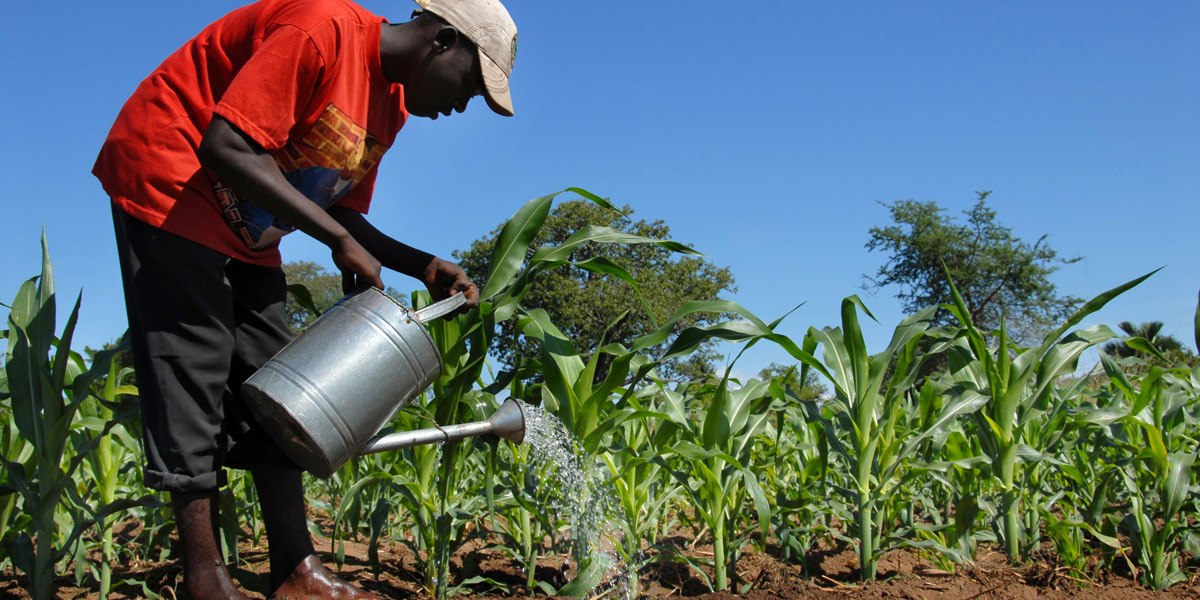
Africans Do Not Want to be Used as Guinea Pigs for Untested American GMO Technology
The Alliance for Food Sovereignty in Africa has called for an immediate ban on the importation into South Africa of Monsanto’s high-risk second-generation gene-silencing GM maize destined for human consumption. In an open letter to African biosafety regulators, AFSA rejects and condemns US corporation Monsanto’s plan to exploit millions of Africans as unwitting human guinea pigs for their latest genetic engineering experiment.
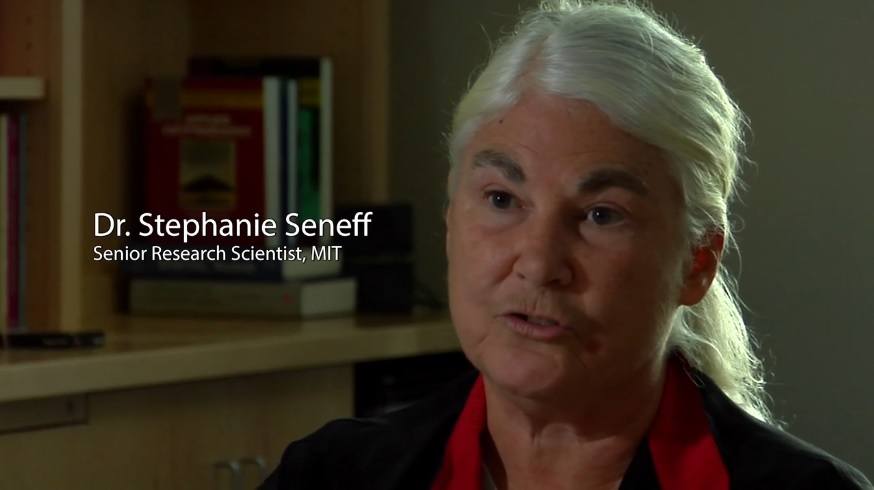
FREE GMOs Revealed Docuseries Seeks to Educate Public on Toxic Food System – World Experts Interviewed
On Tuesday, August 22, 2017, the GMOs Revealed Docuseries will air for the first time online, and registration is FREE. GMOs Revealed exposes the toxic, vicious and constant cycle between glyphosate and “Roundup resistant” engineered crops designed to survive large doses of the chemical that kills plants on contact! We’ll explain how consuming this hidden poison in our foods damages your body, causing an epidemic of disease that is escalating with the increased use of Roundup. What’s even worse is that the risks don’t end there. The new GMO developments have the potential to mute your genes... which can cause health issues to pass genetically to your future generations! You can’t afford to stay in the dark about the dangers of GMOs. That's why we are dedicated to providing you with this essential information free so you can protect your family before it is too late. Join us in exposing the facts about GMOs.

Existence of Organic Seed Farm in Nebraska Threatened by Construction of Proposed Cement Plant
A nationally known organic seed producer faces contamination of their farm from a proposed cement plant and asphalt production facility. The City Council in Scottsbluff, Nebraska, will decide on Monday, August 21, 2017 whether they will sell 365 acres of city owned land for a cement plant and regional offices. The property is located next to Meadowlark Hearth Farm, which grows organic/biodynamic seeds. The farm sells its select variety of seeds to gardeners and farmers throughout the United States. During a recent Health Impact News interview, Beth Corymb explained that EPA regulations will not remove all the threats to their farm. She described the message that she delivered to Scottsbluff officials and to the local representative from Croell, Inc. Beth Corymb stated: "I tried to show them that we are not against industry coming into the area – we just don’t want it in an area where we are trying to do agriculture. We don’t want to see an industrial project created here for several reasons." Earlier this year, the City of Scottsbluff privately negotiated a contract with Croell, Inc. to sell its 365-acre parcel. When the intended sale became public and opposition from the greater community was voiced at the city council meeting, Councilman Scott Shaver took note. He objected when a proposal from other council members was made to bypass the standard process for the sale of the property. The third and last review of the ordinance, and the last opportunity for public comment, will be on Monday August 21, 2017.

Mono-Cropping with Government Subsidized Soy and Corn a Threat to Health and the Environment
As farming has transitioned from a once localized industry to an international one, it's brought with it a new set of challenges for U.S. farmers. Spurred in part by a growing demand for biofuel, along with federal subsidy programs, about 180 million additional acres of corn and soybeans have been planted around the world over the last decade. In the U.S., this two-crop cycle of corn and soybeans has become the dominant model in the Midwest, thanks to the federal farm policy that subsidizes these crops, with devastating consequences to human health and the environment.
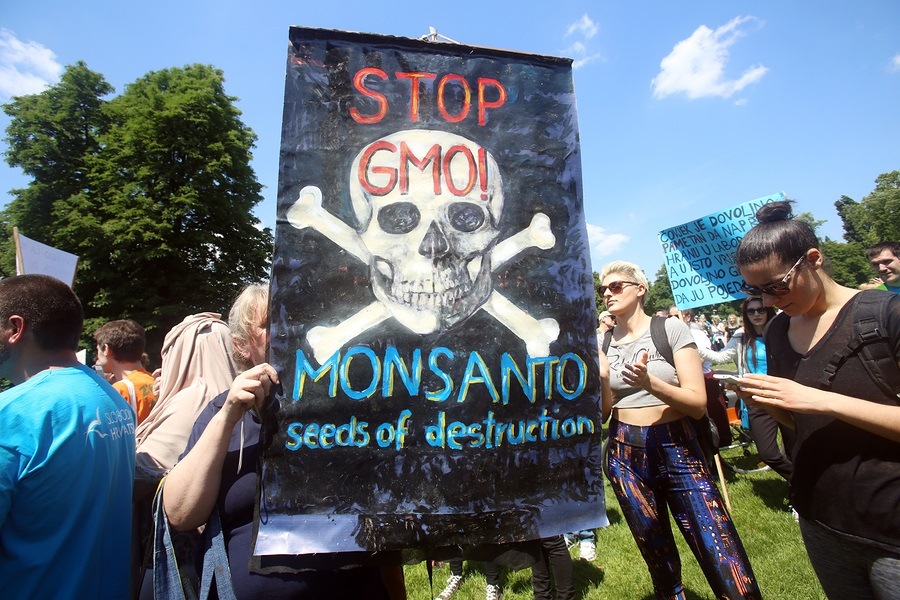
Monsanto Pressured Journal to Retract Study Linking Cancer to Roundup Herbicide
Internal Monsanto documents released by attorneys leading US cancer litigation show that the company launched a concerted campaign to force the retraction of a study that revealed toxic effects of Roundup. The documents also show that the editor of the journal that first published the study entered into a contract with Monsanto in the period shortly before the retraction campaign began. The study, led by Prof GE Séralini, showed that very low doses of Monsanto’s Roundup herbicide had toxic effects on rats over a long-term period, including serious liver and kidney damage. Additional observations of increased tumour rates in treated rats would need to be confirmed in a larger-scale carcinogenicity study. The newly released documents show that throughout the retraction campaign, Monsanto tried to cover its tracks to hide its involvement. Instead Monsanto scientist David Saltmiras admitted to orchestrating a “third party expert” campaign in which scientists who were apparently independent of Monsanto would bombard the editor-in-chief of the journal Food and Chemical Toxicology (FCT), A. Wallace Hayes, with letters demanding that he retract the study.

California Uses Dogs to Sniff Out and Destroy Consumer Soy-free Egg Shipments
Earlier this year (March 2017) we reported how the Wisconsin Department of Agriculture issued "cease and desist" orders to a few small-scale Amish egg farmers in Wisconsin who have been shipping soy-free cage-free eggs to customers across the U.S. for over 7 years. The main complaint from the Wisconsin Department of Agriculture was that they were shipping the eggs to the consumers unrefrigerated. It was discovered that the complaint did not originate from any customers, but from the California Department of Food and Agriculture (CDFA). CDFA had previously seized shipments of these farm eggs back in 2012, and were apparently upset that they were coming into California unrefrigerated. The farmers and representatives from Tropical Traditions/Healthy Traditions worked with the Wisconsin regulators, who responded appropriately and allowed the farmers to continue shipping their eggs. They met with the farmers, and the farmers agreed to make some minor adjustments to comply with Wisconsin State regulations. However, California CDFA was not through. Even though there is no record of any customer complaint about the Wisconsin eggs, they used a Dog Team to sniff out a consumer box of eggs at a FedEx facility and destroy them. Does CDFA have the right to search and destroy private property in a FedEx facility? Will they also begin searching automobiles and other vehicles entering the state of California for food that does not meet their regulatory standards? Is this a good use of taxpayer funds?
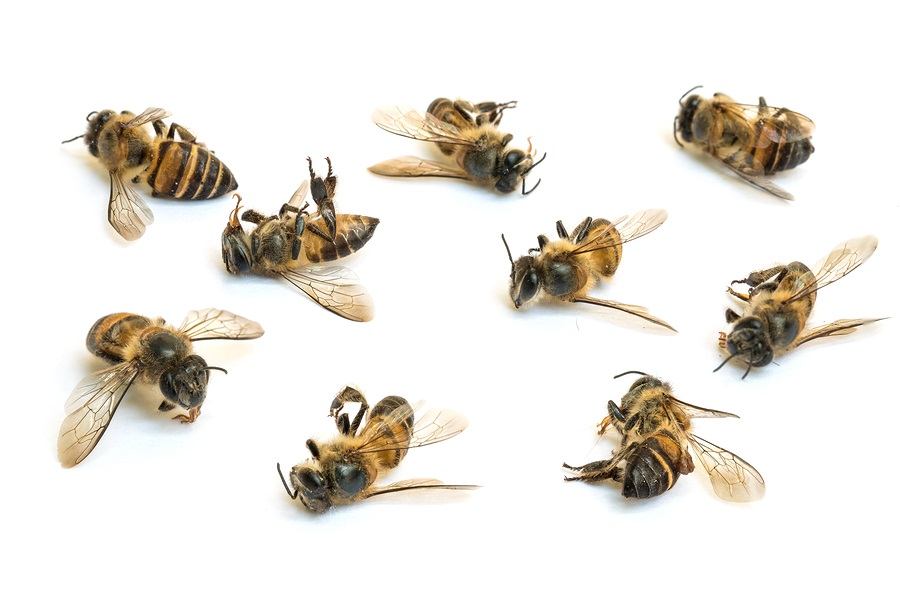
Are Pesticides Killing Off Our Bee Supply?
In the global debate over neonicotinoid pesticides, the company that makes most of them has relied on one primary argument to defend its product: The evidence that these chemicals, commonly called "neonics," are harmful to bees has been gathered in artificial conditions, force-feeding bees in the laboratory, rather than in the real world of farm fields. That company, Bayer, states on its website that "no adverse effects to bee colonies were ever observed in field studies at field-realistic exposure conditions." Bayer will have a harder time making that argument after today. This week, the prestigious journal Science reveals results from the biggest field study ever conducted of bees and neonics.
EU Authorities Broke Own Rules – Ignored Evidence of Cancer to Keep Glyphosate on Market
A new report by the toxicologist Dr Peter Clausing shows that the EU authorities violated their own rules and disregarded evidence that glyphosate is carcinogenic to reach a conclusion that the chemical does not cause cancer. The EU authorities reached the conclusion that glyphosate is not carcinogenic by disregarding and brushing aside evidence of cancers in experimental animals and by violating directives and guidelines that are supposed to guide their work, according to a new report by the German toxicologist Dr Peter Clausing. The report shows for the first time that glyphosate should have been classified as a carcinogen according to the current EU standards. This would mean an automatic ban under EU pesticides legislation. However, the EU authorities disregarded and breached these standards, enabling them to reach a conclusion that the chemical is not carcinogenic.
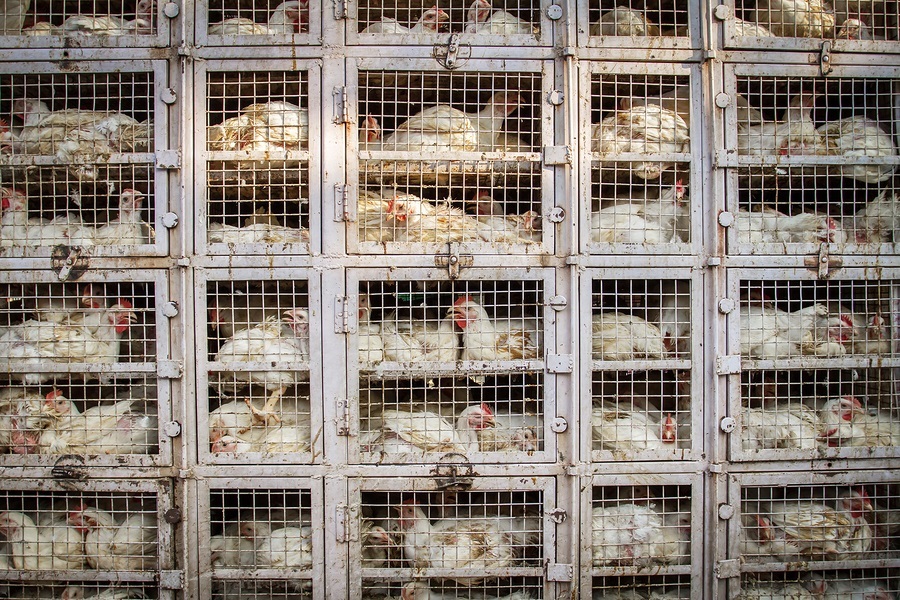
Psyche Drugs Found in “Natural” Chicken
If you've never heard about ketamine, you're not alone. Scores of people had never heard the word until Bloomberg broke the story June 22, 2017, revealing that ketamine had shown up in Sanderson Farms' so-called "100 percent natural" chicken. Some who've heard of ketamine may include veterinarians, psychiatrists and people in the club scene who like to walk on the edgy (read: sketchy) side, as ketamine is known for delivering hallucinogenic effects. Testing also revealed other, and some even worse substances, and consumer advocacy groups don't intend to sit still for it. In fact, a new lawsuit has been initiated by consumer advocacy groups due to the company's use of the word "natural" in its advertising. Bloomberg explains: "The consumer groups contend that Sanderson Farms 'doses its chickens' but don't explain why. Ketamine might be used to sedate the animals during transport or before slaughter. The consumer groups want Sanderson to concede it violated false advertising laws and pay for a corrective ad campaign." As Drug.com explains, ketamine (pronounced kee'-ta-meen) is an anesthesia that "works in the brain to inhibit painful sensations." It's prescribed by psychiatrists for depressed patients and by dentists as an anesthetic. Do you want this drug present in your "natural" chicken?
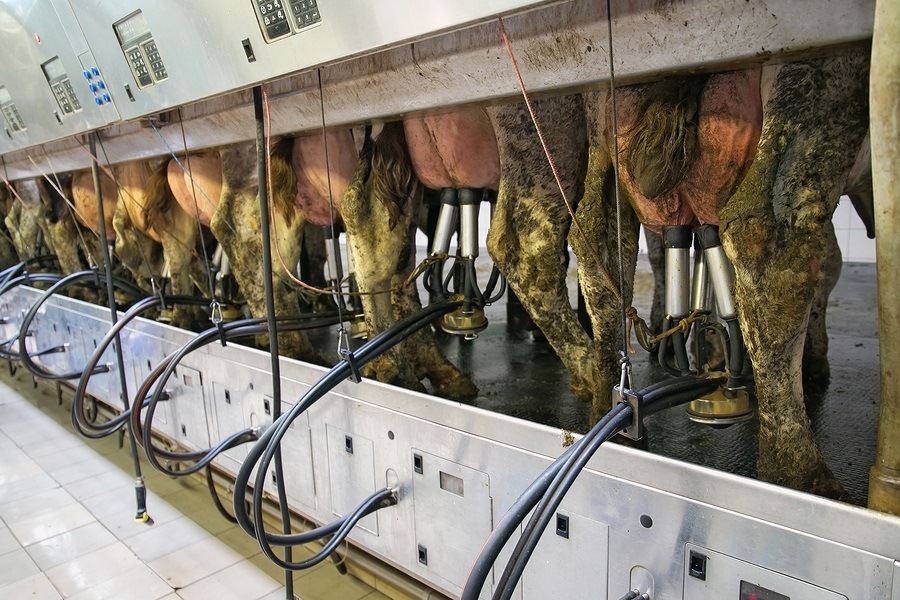
How Organic Is Your Organic Milk?
True organic grass fed milk has been repeatedly shown to be higher in many nutrients, including vitamin E, beta-carotene and beneficial conjugated linoleic acid, but some organic dairies are nothing more than concentrated animal feeding operations (CAFOs) in disguise, selling milk for higher prices while not actually giving you anything that is substantially different from non-organic milk.
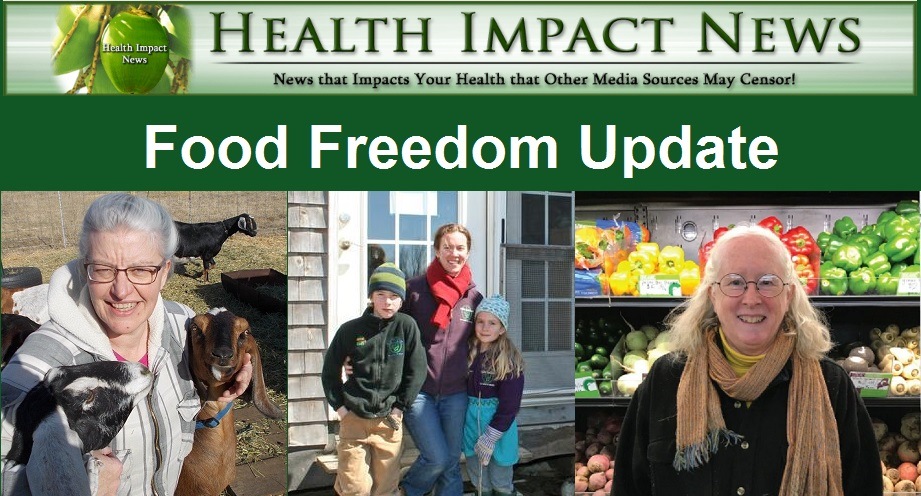
Food Freedom Laws Needed to Rebuild Economic Prosperity – Reestablish Relationships between Local Food Producers and Local Consumers
Those of us who seek to restore the old-fashioned practices of food production and distribution in our local communities are concerned about food safety. We are not anti-regulation – we are instead pro-common-sense when it comes to food that is produced and sold locally. We are simply seeking to restore a way of life that has successfully promoted economic vitality, physical health, and a sense of community and belonging that used to characterize America. Such a way of life has been stripped away by mega size grocery stores, corporate dominated agriculture and food processing, and by over-reaching food regulations. The combined effect of these factors is destroying small locally owned businesses and small family farms. These destructive forces are crawling through our country, and are destroying the fabric of community life. The adoption of food freedom laws are one of the positive steps that we can take to rebuild economic prosperity, and reestablish personal relationships between local food producers and local food consumers. This article will examine the food freedom movement and will consider whether the allegations of corporate interests are valid. Should we be free to buy and sell food directly from our neighbors, or will such practices kill us? I am not being overly dramatic with my language here. Allegations against local food freedom advocates are highly charged with emotional rhetoric, and warn of unescapable illness and death.

CRISPR-induced Mutations – What do they Mean for Food Safety?
A new study published in Nature Methods has found that the genome editing technology CRISPR introduced hundreds of unintended mutations into the genome of mice. In the study, the researchers sequenced the entire genome of mice that had undergone CRISPR gene editing to correct a genetic defect. They looked for all mutations, including those that only altered a single nucleotide (DNA base unit). They found that the genomes of two independent gene therapy recipients had sustained more than 1,500 single-nucleotide mutations and more than 100 larger deletions and insertions. None of these DNA mutations were predicted by the computer algorithms (software packages) that are widely used by researchers to screen the genome (the total DNA base unit sequence) of an organism to look for potential off-target effects. While this study was conducted in the arena of gene therapy, it has clear implications for the regulation of food plants and animals derived from CRISPR and other genome editing techniques.