




News regarding the dangers of GMOs and biotech, and the advantages of organic sustainable agriculture.
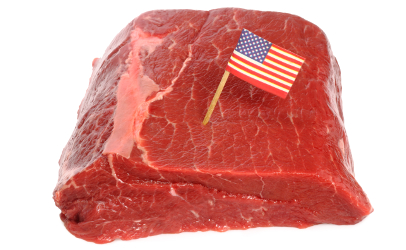
USDA Defrauds Consumers with “Product of USA” Sticker on Meats from Outside the U.S.
Where is the meat you’re buying really from? Many of us look for the “Product of USA” sticker on the meat we buy in the supermarket, but we may not be aware that the USDA allows meat raised outside the US to carry that label. It’s a shameful case of government-sanctioned fraud. Current USDA policy allows foreign meat to be imported to the US and carry the “Product of USA” label if it passes through a USDA-inspected plant. The USDA loophole allows foreign multinational corporations to disguise their products and take advantage of the lucrative US market. There’s good reason to believe that this loophole also violates the federal government’s own policies that prohibit false or misleading labeling.
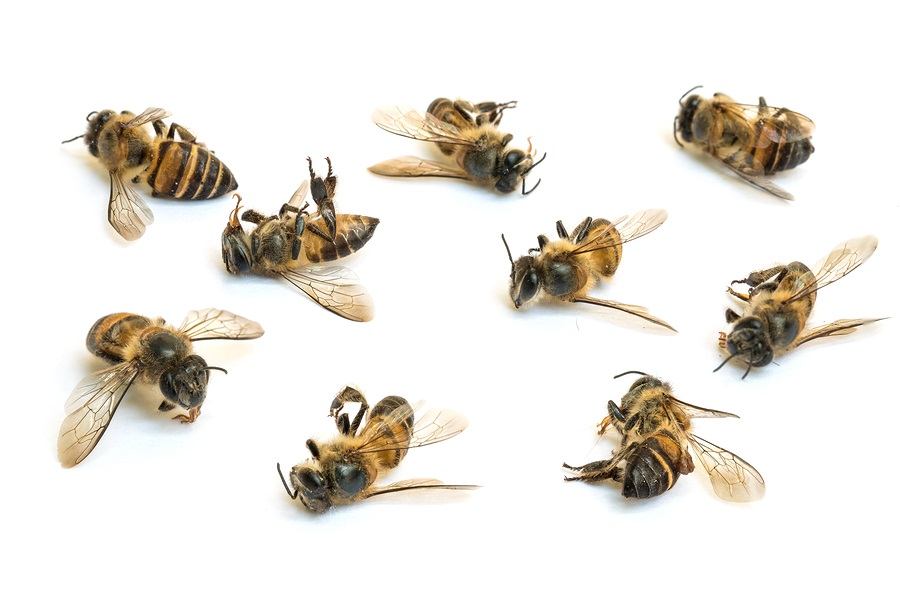
Glyphosate Weed Killer Linked to Bee Deaths
The world’s most widely used weedkiller – used on over 85% of GM crops – may also be indirectly killing bees. New research from The University of Texas at Austin shows that honey bees exposed to glyphosate, the active ingredient in Roundup, lose some of the beneficial bacteria in their guts and are more susceptible to infection and death from harmful bacteria. Scientists believe this is evidence that glyphosate might be contributing to the decline of honey bees and native bees around the world. The findings are published this week in the journal Proceedings of the National Academy of Sciences.
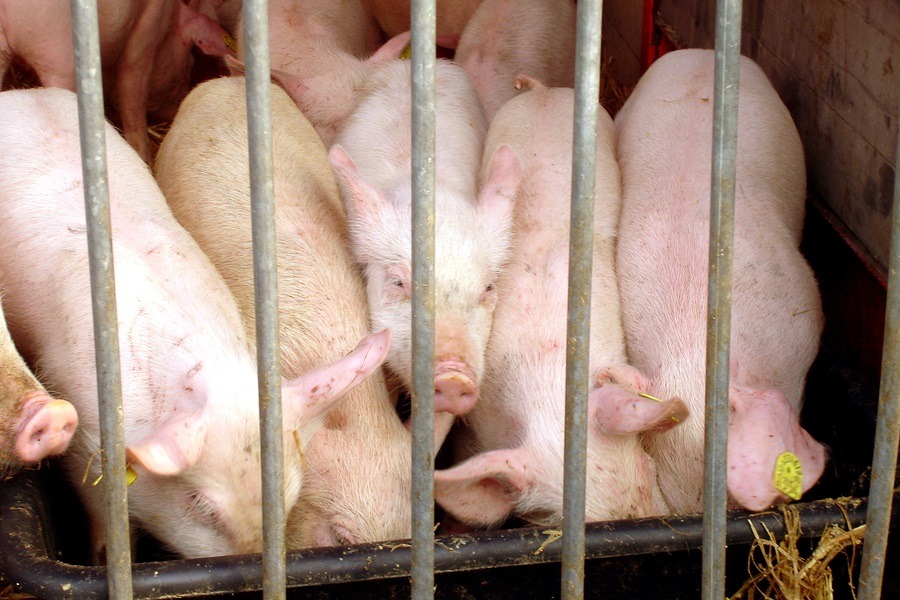
Duke University Study: N.C. Residents Living Near Large Hog Farms Have Elevated Disease, Death Risks
Residents of communities near industrial-scale hog farms in North Carolina face an increased risk of potentially deadly diseases, Duke University scientists reported in a study released this week. Researchers found that compared to communities without big hog farms, in the communities with the highest hog farm density, there were 30 percent more deaths among patients with kidney disease, 50 percent more deaths among patients with anemia, and 130 percent more deaths among patients with a blood bacterial infection, called sepsis. The communities near the heaviest concentration of large hog farms also had a greater risk of infant mortality and lower birth weight.

How Many American Deaths Will the EPA be Responsible for Before They Ban Glyphosate Herbicide?
A California jury recently found Monsanto liable for a groundskeeper’s cancer, ordering the company to pay out $289 million. It was the first lawsuit that went to trial alleging that Roundup and other glyphosate-based weed-killers cause cancer. Other research shows that cancer may only be the tip of the iceberg in describing the toll this chemical is taking on our health. There have been hundreds of lawsuits filed against Monsanto alleging that glyphosate, the active ingredient in the Roundup herbicide, causes cancer, and now finally the courts are taking the claims seriously as a federal judge recently ruled that these cases can proceed to trial. The World Health Organization has labeled glyphosate a “probable carcinogen” and yet the US Environmental Protection Agency (EPA) says it isn’t—although we shouldn’t be surprised, given the crony ties that have been exposed between top EPA officials and the biotech industry. The EPA can’t be counted on to protect our health. How is this chemical possibly in the market? Tell the EPA to ban glyphosate!
Food Freedom Flourishes in Maine: Model for Other States?
Food freedom is flourishing in the State of Maine. A year after the governor of Maine signed “the Maine Food Sovereignty Act,” many Maine towns have responded to the new law by adopting ordinances that give their residents the legal right to sell food to one another without burdensome regulations. There are good reasons to permit farmers and home-based food processors such as bakers to sell food to their neighbors without oversight, but in most every state this is not permitted. It’s not about food safety, but about corporate control of the food system. On the day after the Maine Legislature approved the law in July of 2017, the US Department of Agriculture (USDA) contacted state officials and threatened to federalize Maine’s system of livestock slaughtering and processing facilities. This article takes an in-depth look at Maine’s Food Sovereignty Act, the threat raised by the US Department of Agriculture against that law, and provides guidance for people in other states who want to bring food freedom to their communities.
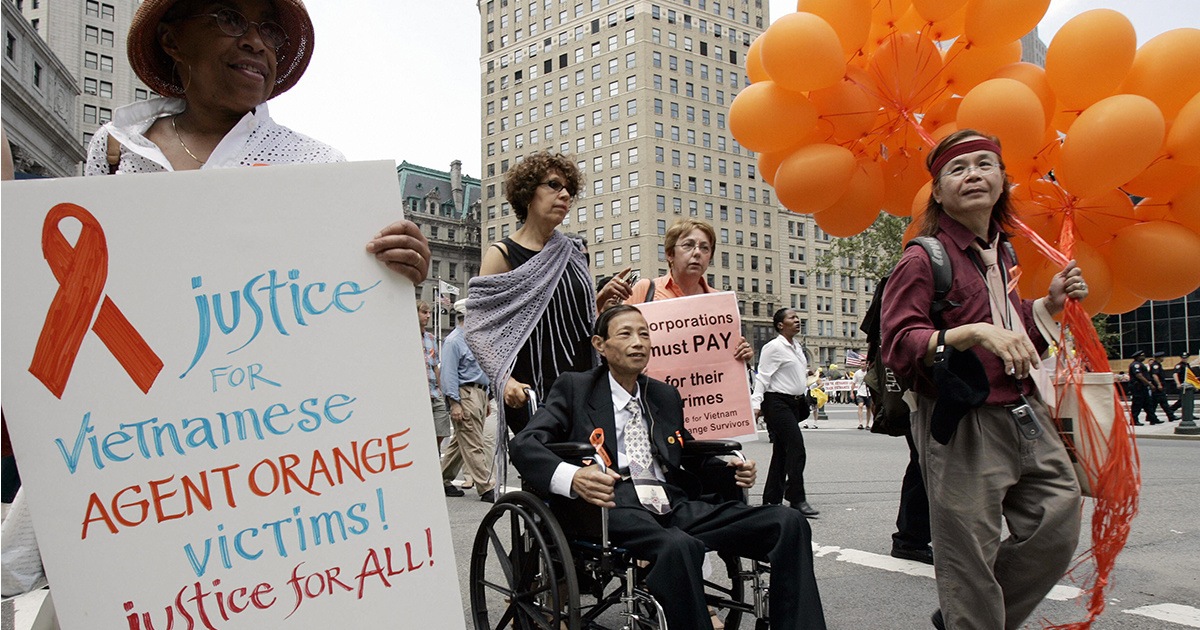
After California Jury Convicts Monsanto in Glyphosate Trial, Vietnamese Victims of Monsanto’s Agent Orange Also Want Justice
A jury's verdict in California that a groundskeeper got cancer from repeated exposure to Monsanto's Roundup weedkiller is offering new hope for justice for millions of plaintiffs an ocean away. During the Vietnam War, Monsanto was one of the primary companies that supplied Agent Orange to the U.S military, which sprayed 44 million liters (approximately 11.5 million gallons) of the dioxin-containing herbicide on the jungles of South Vietnam. As a result, at least three million Vietnamese people have suffered from cancer, neurological damage and reproductive problems that have been passed down three or four generations, Viet Nam News reported. "The verdict serves as a legal precedent which refutes previous claims that the herbicides made by Monsanto and other chemical corporations in the U.S. and provided for the U.S. army in the war are harmless," spokesman for Vietnam foreign ministry spokesperson Nguyen Phuong Tra said.

Organic Milk No Longer Organic: Factory Farms Take Over Organic Dairy and Drive Small Farms Out of Business
When commercialized in the 1980s, the organic dairy movement was viewed by many farmers as opting out of a rapacious agricultural marketing system that had already driven the majority of dairy farm families off the land over the preceding two decades. Now, a quarter century later, history is repeating itself with giant “factory farms” flooding the organic dairy market with fraudulent “organic” milk and economically devastating family businesses and rural communities. According to the latest USDA records, organic milk production jumped 18.5% in 2016 alone, far eclipsing the growth in market demand. As a result, wholesale purchasers of raw organic milk have cut prices to farmers by 25-30% or more. In addition, some buyers have set quotas, mandating production cuts, further impacting cash flow. The largest organic dairy name brand, Horizon, owned by Groupe Danone of France, is terminating contracts with some farmers, at a time when there are no alternative markets available. Industry experts have called the moves by the world’s largest dairy a “death warrant” for farmers. With the glut of organic milk, and the USDA abdicating their legally-mandated oversight responsibilities, authentic organic farmers and their customers are poised to band together to take their fight to the dairy coolers of the nation’s groceries and specialty retailers.

Lab Tests Show Children are Eating Contaminated Breakfast Cereals Containing Cancer-causing Glyphosate
Popular oat cereals, oatmeal, granola and snack bars come with a hefty dose of the weed-killing poison in Monsanto’s Roundup, according to independent laboratory tests commissioned by EWG. These new findings come days after a California jury awarded $289 million to a school groundskeeper who claimed Roundup gave him lymphoma. EWG’s tests found glyphosate, the active ingredient in Roundup, in all but two of 45 samples of products made with conventionally grown oats. More than two thirds of the samples had glyphosate levels above what EWG scientists consider protective of children’s health with an adequate margin of safety. About one-third of 16 samples of foods made with organically grown oats also had glyphosate, all at levels well below EWG’s health benchmark. Glyphosate may get in organic oats by drifting from nearby farm fields, or cross-contamination in a processing facility that also handles non-organic foods. Glyphosate has been linked to cancer by California state scientists and the World Health Organization. The California case that ended Friday was the first of reportedly thousands of lawsuits against Monsanto. These suits have been brought by farm workers and others who allege that they developed cancer from years of exposure to Roundup.

Monsanto Loses: Jury Awards Millions to Man Dying of Cancer Due to Herbicide Glyphosate – What’s Next?
This past Friday (August 10, 2018) a jury in California awarded Dewayne Johnson, a former school groundskeeper who is dying of cancer that he claims is the result of years of using the herbicide RoundUp which contains glyphosate, $39 million in damages, and another $250 million was levied against Monsanto for covering up the scientific evidence that glyphosate causes cancer. This is the first legal blow against Monsanto for its herbicide product, which is the world's most common herbicide, spread on crops all over the world. In recent years, laboratory testing on urine and mother's breast milk shows that almost the entire world's population contains glyphosate in their bodies. Health Impact News has covered this story for years now, and we published an interview with Dr. Anthony Samsel back in 2015, when he was able to obtain formerly concealed documents from the Environmental Protection Agency (EPA) revealing the toxic nature and cancer risk of the ingredients in the herbicide RoundUp, but were concealed from the public due to "trade secrets." Much of the pre-trial legal maneuvering was centered around what evidence was going to be allowed in the trial. In the end, in spite of what appeared to be at some points a biased judge, enough evidence was presented to the jury to conclude Monsanto was guilty. What's next?
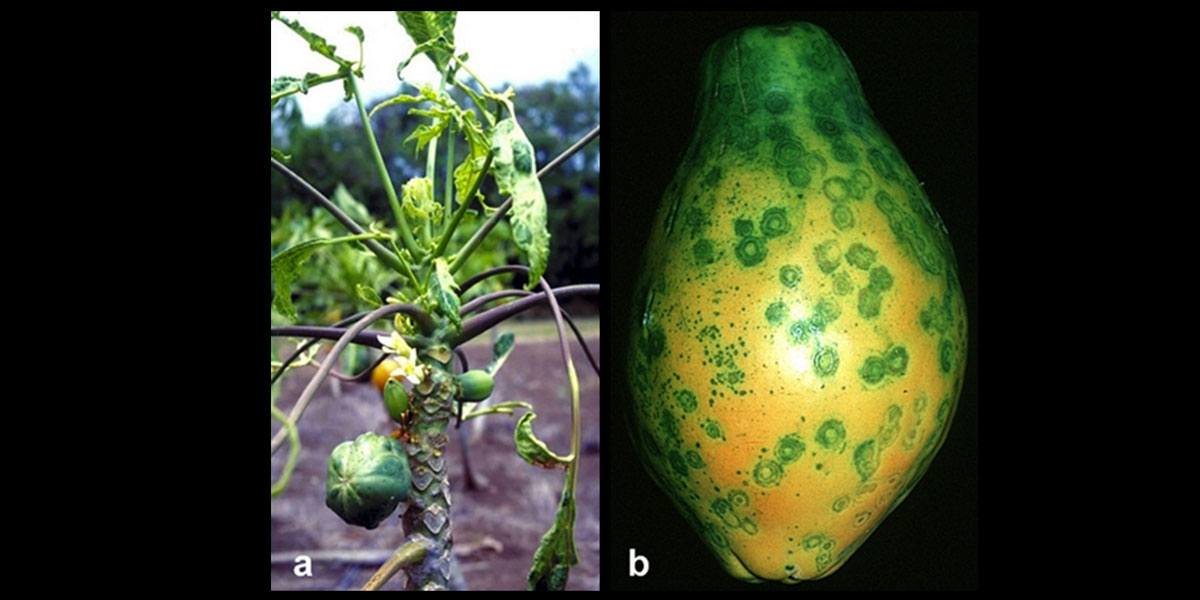
Virus Resistant GMO Papaya Fails as New Lineage of the Virus Develops
Ringspot virus-resistant GM papayas are often cited as a genetic engineering success. But a new study (abstract below) reports that in China, the virus resistance in GM papaya has broken down under pressure from a new lineage of the virus. The study reports that the GM virus-resistant papaya planted in Hawaii retains its virus resistance. But this has not saved the Hawaiian papaya industry, since many countries don't want GM papaya and up to a third of the crop is thrown away because it's bruised or mis-shapen. As a result, USDA scientists have been looking at ways to make the unwanted GM papayas into biofuel. In addition, a non-GM virus-resistant papaya has been developed, suggesting that the GM version is not needed.

Monsanto Glyphosate Cancer Trial Update: Biased Judge? Key Evidence Not Allowed
The California trial against Monsanto by Dewayne Johnson, a 46-year-old former school groundskeeper, who was diagnosed with non-Hodgkin lymphoma four years ago and claims that Monsanto hid evidence that the active ingredient in its Roundup herbicide, glyphosate, caused his cancer, is nearing the end, where a jury will decide on a verdict. One of the attorneys of the Plaintiff, Robert F. Kennedy, Jr., has been giving updates that are being posted on the Organic Consumers Association website. In a recent update, Mr. Kennedy reported on some of the actions of Judge Bolanos that seemed to suggest that the judge could be potentially biased in favor of Monsanto by not allowing some key evidence, some of which seems to contradict what another judge, Judge Curtis Karnow, seemed to rule was admissible in pre-trial hearings. In spite of these limitations, Mr. Kennedy feels that the trial is going their way as it is finishing up and being delivered to the jury.

Study: Glyphosate-based Herbicide Impairs Female Fertility
Exposure to environmentally relevant doses of a glyphosate-based herbicide during pregnancy has been found not only to impair female fertility in rats, but to induce foetal growth retardation and malformations, including abnormally developed limbs, in their second-generation offspring. Argentinian researchers tested the glyphosate-based herbicide – one commonly used in Argentina – in pregnant female rats at two doses, which were added to their food. The rats were mated and dosed from the 9th day after conception until their pups were weaned. This first generation of offspring and their offspring in turn (second generation) were followed and monitored for reproductive effects. The lower dose of glyphosate tested, 2 mg/kg bw/day (2 mg per kg of bodyweight per day), was in the order of magnitude of the reference dose (RfD) of 1 mg/kg bw/day recently set for glyphosate by the US Environmental Protection Agency, based on industry's developmental toxicity studies. The "reference dose" is the dose that is supposed to be safe to ingest on a daily basis over a lifetime. The authors added that this dose is representative of the glyphosate residues found in soybean grains and is in the order of magnitude of the environmental levels detected in Argentina. The higher dose of glyphosate, 200 mg of glyphosate/kg bw/day, was selected based on the industry-declared no-observed adverse effect level (NOAEL) of 1000 mg/kg bw/day for maternal toxicity established in rats. In other words, according to industry's own tests, this dose should not have been toxic to the mothers and thus should not have harmed the foetuses. But harmful effects did occur.

Majority of Supermarket Meats Are Riddled With Superbugs
For a number of years now, researchers have warned we are headed toward a post-antibiotic world — a world in which infections that used to be easily treatable become death sentences as they can no longer be touched by available drugs. As reported by NPR July 2, 2018: "A woman in Nevada dies from a bacterial infection that was resistant to 26 different antibiotics. A U.K. patient contracts a case of multidrug-resistant gonorrhea never seen before. A typhoid superbug kills hundreds in Pakistan. These stories from recent years — and many others — raise fears about the possibility of a post-antibiotic world." Despite strong warnings, about 80 percent of the antibiotics sold in the U.S. are still given to livestock — not to treat acute infections but as a preventive measure, and as a growth promoter. This routine low-dose administration is a most dangerous practice, as it primes bacteria for resistance.

FREE Online Viewing of the Movie “Raising Meat Chickens”
Marjory Wildcraft, founder of The Grow Network, is offering a free online viewing of her entertaining, educational feature-length film "Raising Meat Chickens" from July 17, 2018 to July 19th. Marjory shows step-by-step how to raise up and humanely process a flock of birds over the course of four months . . . from mail-order chicks to meat in the freezer! For people who would like to take the bold step of processing their own birds but are afraid they might not have “what it takes” . . . this film will show them what is involved in the processing, and help them understand that backyard chickens are the most humane way to eat meat! This film will empower you with the detailed knowledge of exactly how to feed your family the highest quality chicken meat.
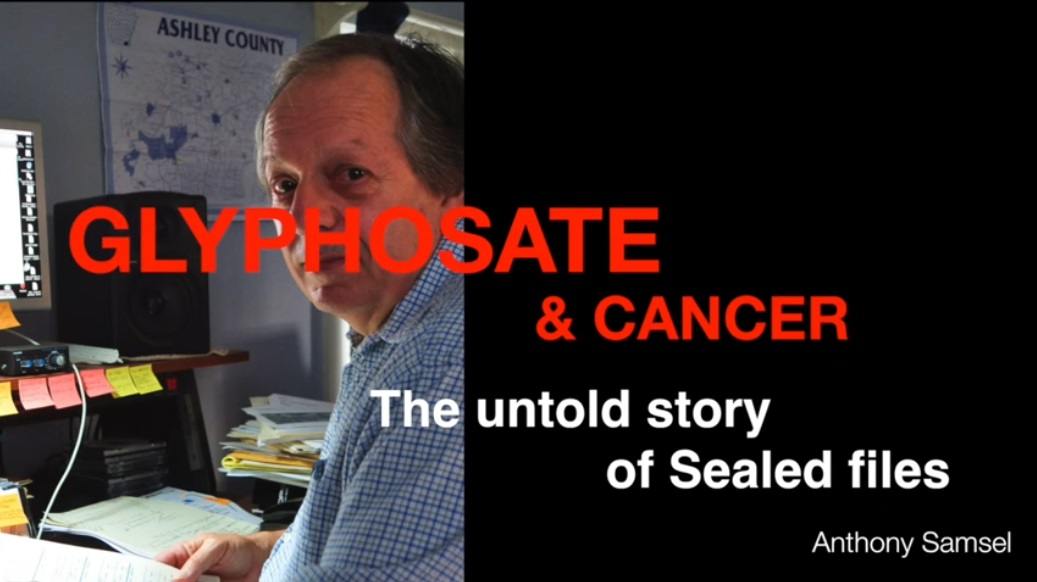
Judge: 300 Cases Against Monsanto Claiming Glyphosate Causes Cancer Can Continue
Hundreds of lawsuits against Monsanto Co by cancer survivors or families of those who died can proceed to trial, a federal judge ruled on Tuesday, finding there was sufficient evidence for a jury to hear the cases that blame the company's glyphosate-containing weed-killer for the disease. The decision by U.S. District Judge Vince Chhabria in San Francisco followed years of litigation and weeks of hearings about the controversial science surrounding the safety of the chemical glyphosate, the key ingredient in Monsanto's top-selling weed-killer.
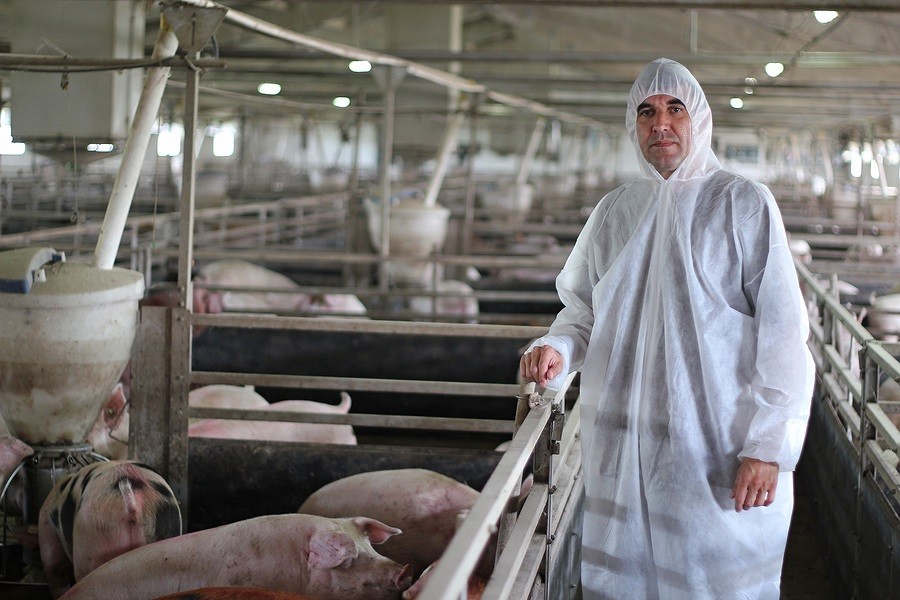
Antibiotic Catastrophe Being Hid from the Public
Antibiotic-resistant disease is a major health threat around the globe, such that illnesses once easily treatable with the drugs are now becoming deadly. The cause of the antibiotic-resistance epidemic is quite straightforward: overuse of antibiotics. “Resistant bacteria are more common in settings where antibiotics are frequently used: health care settings, the community and food animal production,” the U.S. Centers for Disease Control and Prevention (CDC) states — and the latter category is of utmost importance. The majority of antibiotics in the U.S. aren’t used in health care settings for humans; they’re used in industrial agriculture, primarily in low, steady doses for purposes of “disease prevention” (which also has the “side effect” of growth promotion, making the animals get bigger, faster). Despite this, exactly how and in what numbers antibiotics are used on U.S farms is a mystery, in large part because, as Wired put it, the data “isn’t considered an obligation owed to public health … it’s a political football.”

Criminal Fertilizer Company that Already Settled $2 BILLION Lawsuit Wants 18,000 More Acres in Florida
Most health conscious and environmentally concerned people understand the problems facing us today due to modern agricultural and biotech practices. In the U.S. today, less than 1% of our population is producing the food for the country. When the U.S. was founded, about 90% of the population was involved in agriculture, and by the time Abraham Lincoln became president, that number still stood at around 50% of the population producing food for the country. Today, traditional small-scale sustainable farming is rare and has been replaced by biotech and the mass production of food. GMO food, along with the contamination of the food supply by pesticides and herbicides, is fairly well known today. But there is one aspect of modern-day agriculture that often slips under the radar of public awareness that is as ecologically harmful to human health or even worse. It is the worldwide phosphate fertilizer industry. And it is especially out of control here in America, in China, and in other regions to lesser extents. Florida’s phosphate industries supply 75 percent of U.S. fertilizers. Now the world’s largest phosphate mining and manufacturing company, Mosaic Fertilizer, is looking to grab more land in Florida with the usual carrot of economic development, put simply, more local jobs. Those who know the history and methods of this industry are trying to convince ignorant citizens and county commissioners that the risks far outweigh the benefits promised, even if actually fulfilled. Mosaic Fertilizer has already settled a $2 billion lawsuit to clean up 60 billion pounds of hazardous waste in Florida and Louisiana - one of the largest federal lawsuits ever settled. Now it wants to grab even more land in Florida, seeking 18,000 acres for strip mining.

Contaminated Beer: Is It Still Possible to Find Good Beer Anywhere?
More bad news for beer drinkers! We have previously reported about the problem beer drinkers face today with most beers being contaminated with glyphosate, the active ingredient in the world's most used herbicide, Round Up. In the United States, beer makers have had a hard time finding uncontaminated barley, a staple in most beer making recipes. This is due to the fact that barley, along with other crops grown in the northern climates, is desiccated at harvest time with glyphosate to control the harvest before snow comes. A report out of Germany also confirmed that Germany's top beers, known world-wide for their high standards of quality, were also contaminated with glyphosate. Now, it is being reported that genetic engineers in California are developing a GMO version to hops, to create "fake beer."
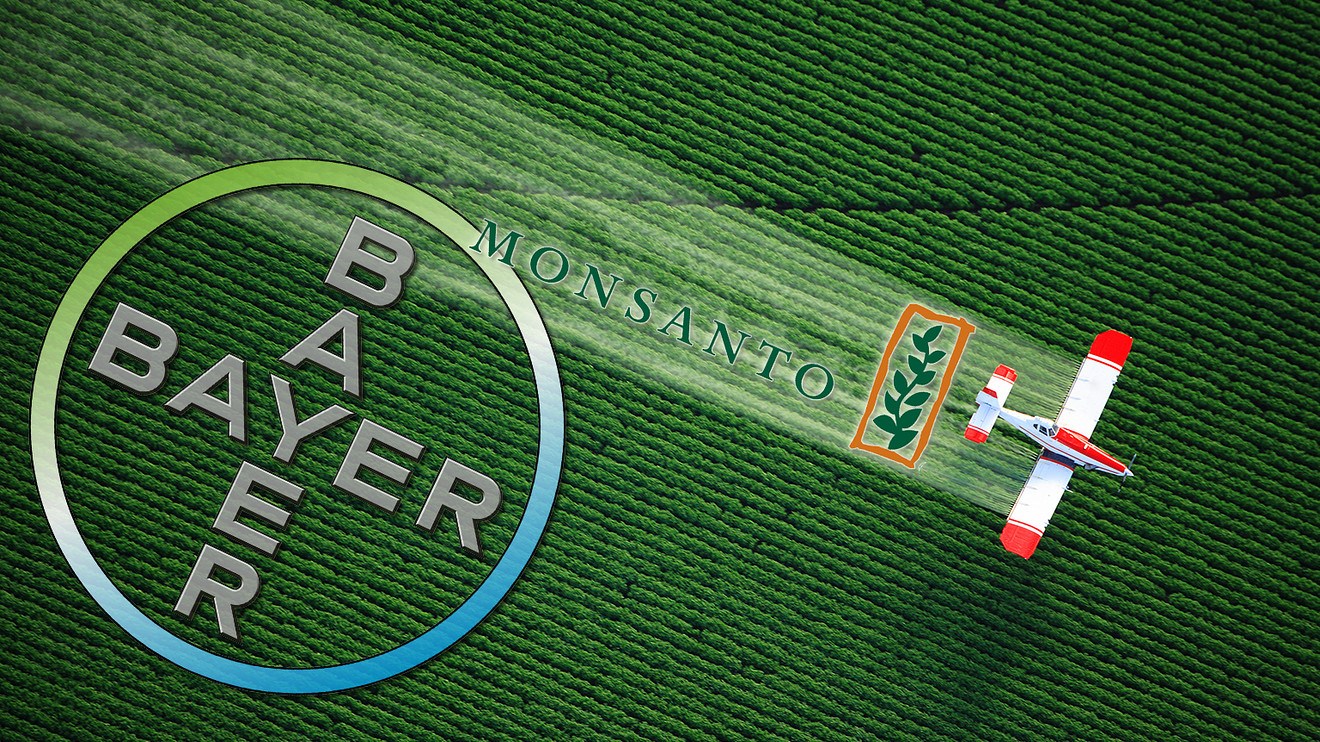
German Company Bayer Approved to Buy Out Monsanto: “A Marriage Made in Hell”?
The recent Monsanto-Bayer merger has been approved by both American and European continent authorities, merging two of the world's top seed biotech companies and producers of genetically modified seeds. Bayer, a company based out of Germany, is a name most often associated with aspirin in the United States and around the world. But even before this merger, they already hold a huge market share of seed production. Bayer is somewhat constrained in developing their GMO products, as Germany bans the cultivation of GMO crops. Most of Bayer's GMO development is done in the USA, and by purchasing Monsanto, they will become, by far, the largest GMO company in the world. This has prompted some to refer to the Bayer-Monsanto merger as "A Marriage Made in Hell."
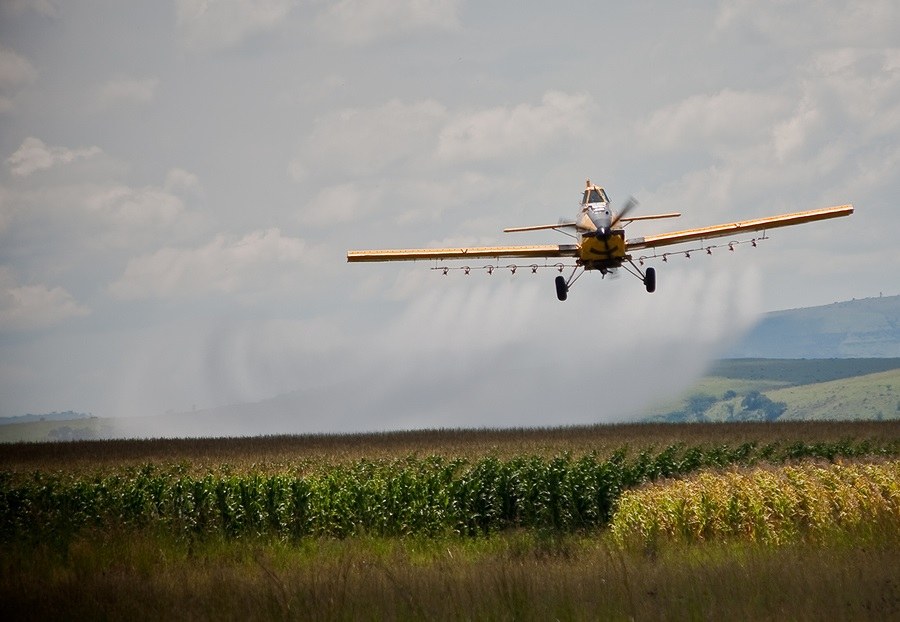
African Use of Ants and Intercropping to Fight Armyworm Pests in Corn Crops More Effective than GMOs
Recently GMWatch reported on attempts by the GMO lobby to persuade African countries to accept GM Bt maize to fight the fall armyworm pest, which is spreading across the continent and ravaging maize crops. But the lobbyists omitted to mention that GM Bt insecticidal maize targeting the fall armyworm has already failed in different regions due to pests becoming resistant to the GM Bt toxins in the crop. The lobbyists also ignored the fact that agroecological methods, such as attracting ants to feed on armyworm eggs, are proving successful. Now we've been alerted to another agroecological and non-GMO method that is working well in Africa as a defence against the fall armyworm. The method, a climate-adapted version of Push-Pull, is being spearheaded by the International Centre of Insect Physiology and Ecology (icipe), a multinational government-funded organisation that supports poverty alleviation and food security.