




News regarding the dangers of GMOs and biotech, and the advantages of organic sustainable agriculture.

Scotts-Monsanto GMO Grass Threatens National Forests, Rivers, Ranchers, and Farmers
Over a decade ago, Scotts partnered with Monsanto to market a GM bentgrass resistant to glyphosate (Roundup). It was planted next to the Malheur National Forest in test plots ostensibly controlled by Oregon State University. Unbeknownst to most people, it was also planted all over the US—in California, Iowa, Maryland, Pennsylvania, and seventeen other states. It was supposed to be confined and controlled, but it very quickly escaped and spread out of the test plots in Oregon into Idaho, and crossbred with natural grasses to create new breeds that were also resistant to glyphosate. It clogged up irrigation ditches, threatening food crops and contaminating pasture-raised cattle with GMOs. In addition to the immediate threats to farmers and ranchers, grass seed—which is among Oregon’s top five commodities—is now under threat. Initially, Scotts-Monsanto tried to stop the spread and clean up the contamination. But it was unable to do so because the original bentgrass (and now the other grasses it cross-pollinated with) are glyphosate-resistant. More toxic herbicides have been brought in to try to keep irrigation ditches clear, and to stop the grasses from clogging and eventually killing waterways important to wildlife and humans.
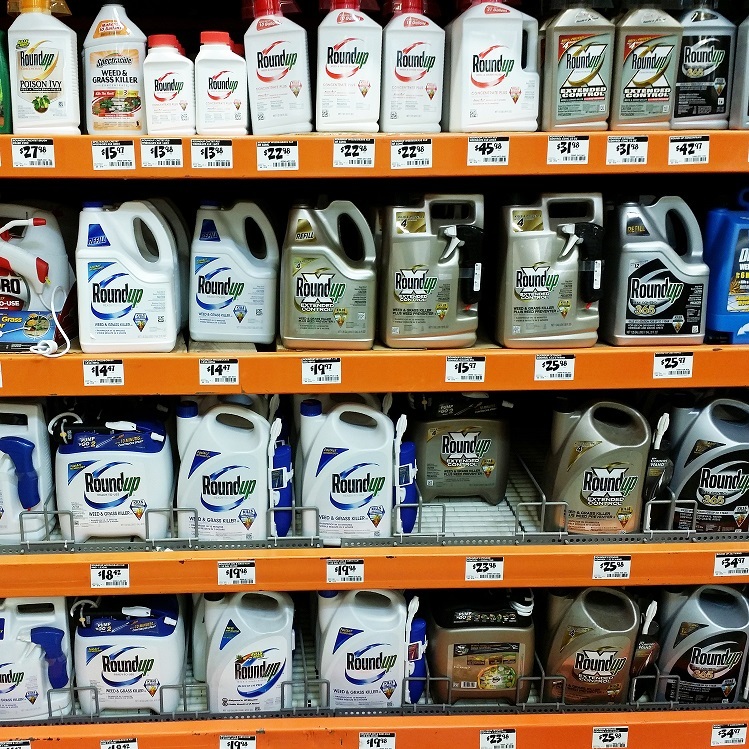
What Does Roundup Do to Your Liver?
If you started your day with a bowl of oatmeal, Cheerios or even organic cage-free eggs, there's a good chance you consumed a small amount of glyphosate residue along with it. Likewise, if you've recently snacked on popular brands of crackers, tortilla chips and pita chips, or consumed beer or wine. As the results of increasing numbers of independent tests come in, it's becoming increasingly clear that glyphosate, the active ingredient in Monsanto's Roundup herbicide, is showing up virtually everywhere — in our food, water and even in baby food and women's breastmilk. It's not altogether surprising — glyphosate is the most heavily-used agricultural chemical in history — but it is incredibly concerning. The health risks of glyphosate, though downplayed by the chemical's makers, are accumulating daily. A recently published study shows even small amounts of glyphosate in the diet can cause liver damage.
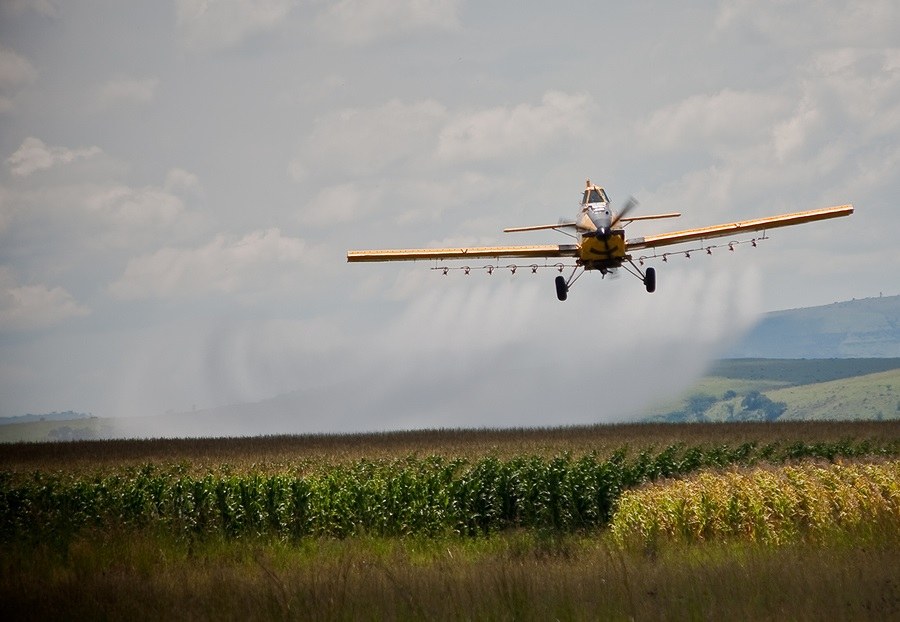
Industrial Farming Threatens Food Security in the US
Agriculture has undergone massive changes over the past several decades. Many of them were heralded as progress that would save us from hunger and despair. Yet today, we're faced with a new set of problems, birthed from the very innovations and interventions that were meant to provide us with safety and prosperity. For decades, food production has been all about efficiency and lowering cost. We now see what this approach has brought us — skyrocketing disease statistics and a faltering ecosystem. Fortunately, we already know what needs to be done. It's just a matter of implementing the answers on a wider scale. We need farmers to shift over to regenerative practices that stops depleting our soil and fresh water supplies. Frustratingly, farmers are often held back from making much needed changes by government subsidy programs that favor monocropping and crop insurance rules that dissuade regenerative farming practices.
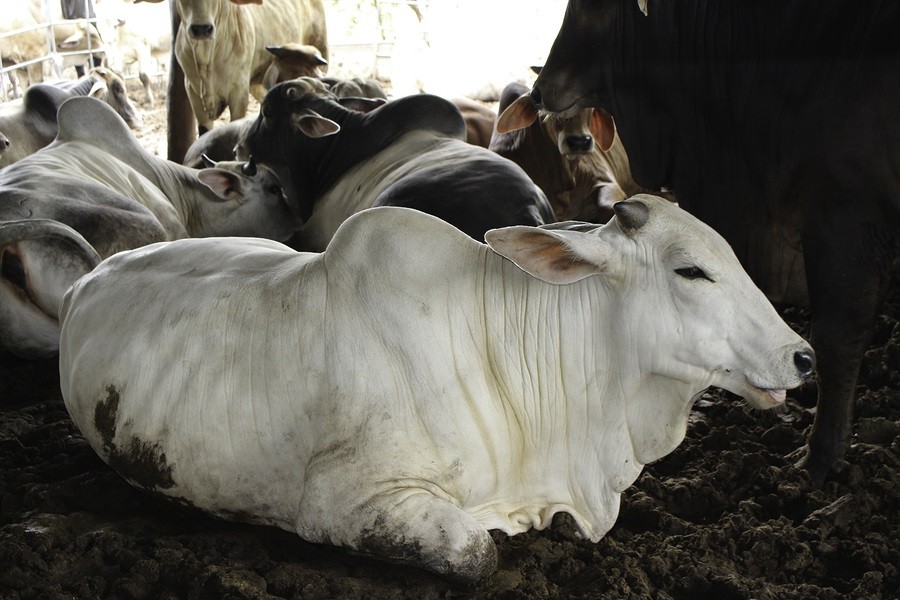
Factory Meat Causing Serious Antibiotic Resistance
Antibiotic-resistant bacteria infect at least 2 million Americans every year. At least 23,000 die as a result. The growing threat of antibiotic-resistant disease is one of the biggest health threats facing the globe, yet, unlike some other pressing health threats, it has a clear and well-known cause: overuse of antibiotics. “The use of antibiotics is the single most important factor leading to antibiotic resistance around the world,” the U.S. Centers for Disease Control and Prevention (CDC) notes, explaining “simply using antibiotics creates resistance.” The drugs are one of the most commonly prescribed drugs in human medicine, and up to 50 percent of the time they’re prescribed when not needed or using incorrect dosing or duration, according to the CDC. This is problematic, but it pales in comparison to the use of antibiotics in food animals, which is driving rates of antibiotic resistance sky high.

Study: Glyphosate Herbicide Associated with Greater Risk to ALS
Amyotrophic Lateral Sclerosis (ALS) is a fatal neurodegenerative disease involving several protein mutations in glycine-rich regions with limited treatment options. 90 - 95% of all cases are non-familial with epidemiological studies showing a significant increased risk in glyphosate-exposed workers. In this paper, we propose that glyphosate, the active ingredient in Roundup®, plays a role in ALS, mainly through mistakenly substituting for glycine during protein synthesis, disruption of mineral homeostasis as well as setting up a state of dysbiosis. Mouse models of ALS reveal a pre-symptomatic profile of gut dysbiosis.
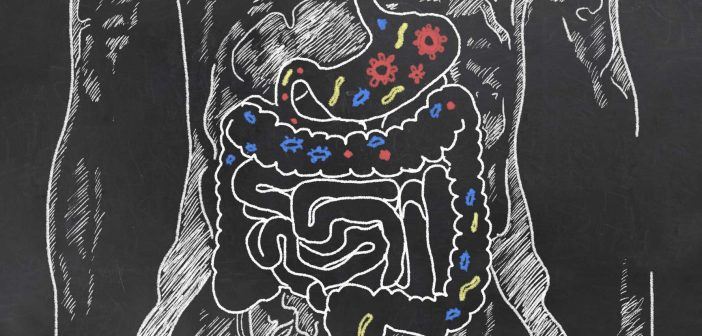
Want Holes in Your Stomach? Eat More GMOs
Weed killer used on GMOs may be wreaking havoc on Americans’ guts. Action Alert! Feeding GM food soaked in Monsanto’s Roundup causes liver and kidney problems, fertility issues, tumors, fatigue, paralysis, allergic reactions, and more in animal studies. Now it appears that some GMO foods may be perforating your stomach as well.
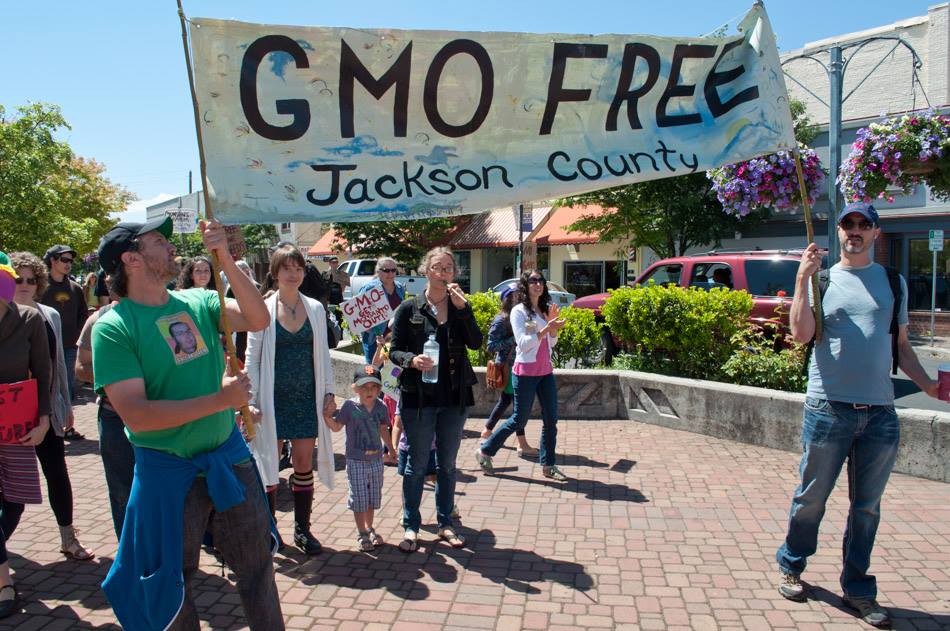
Local Governments Can Prohibit GMO Crops, Says U.S. Court of Appeals
The U.S. Court of Appeals for the Ninth Circuit issued its decisions (Nov. 18, 2016) on whether federal and Hawai'i state laws preempt Hawai'i counties' authority to regulate genetically engineered (GE) crops and pesticide use. Of significance to state and local communities throughout the U.S., the Ninth Circuit ruled that federal law—specifically, the Plant Protection Act—does not prohibit states and counties from passing local laws to regulate and ban commercially-grown GE crops. "Today's decision to allow states and counties to ban or regulate GE crops is an important victory for GE-free seed sanctuaries and small communities and farmers around the country," George Kimbrell, senior attorney for the Center for Food Safety, said.
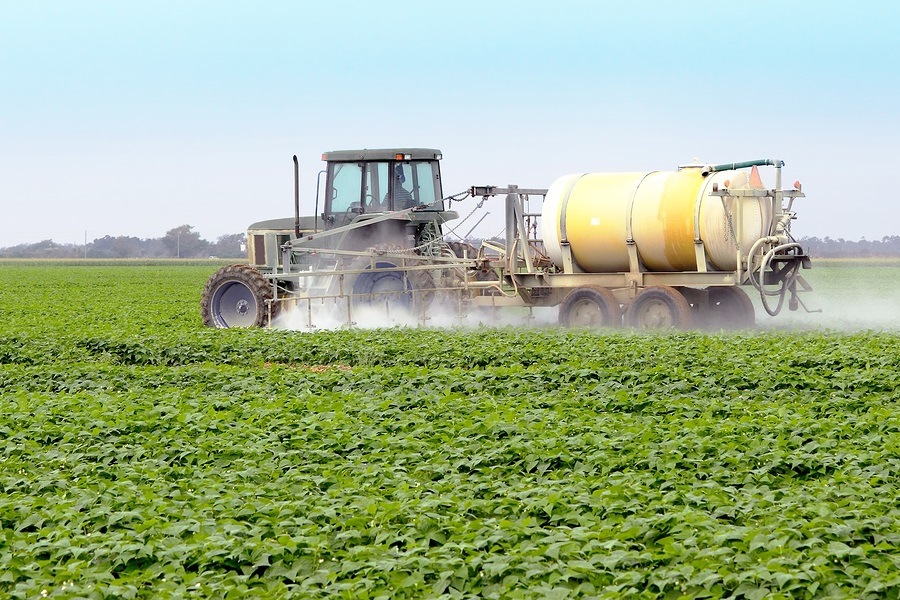
How GMOs, Pesticides and Processed Foods Contribute to Common Bowel Disorders
Inflammatory bowel disease (IBD) — not to be confused with irritable bowel syndrome (IBS) — is an autoimmune disease that can have very serious consequences. (IBS, on the other hand, is a functional bowel disorder. In other words, there are no significant physical conditions that contribute to the problem; hence it's a functional disease.) According to the latest statistics from the Centers for Disease Control and Prevention (CDC), IBD affects more than 3 million American adults, nearly triple previous estimates.1 There are two types of IBD: Crohn's disease Ulcerative colitis Both of these IBD conditions involve chronic inflammation in the gastrointestinal (GI) tract. Symptoms include abdominal cramps, fatigue and diarrhea. IBD also raises your risk of developing colorectal cancer, the third most common cancer in the U.S.

Biotech Industry Going All Out to Stop Independent Review of Glyphosate
Recently we reported that the US Environmental Protection Agency (EPA) released a draft report on the carcinogenic potential of glyphosate, the active ingredient in Monsanto’s Roundup herbicide. This was in advance of a meeting in which a panel of scientists would discuss the available data on glyphosate and its potential to cause cancer—but that meeting never happened. It was postponed, ostensibly because the agency was seeking additional experts so there could be a more “robust review of the data.” The biotech industry is going all out to stop this review. CropLife America, the trade group for the nation’s largest biotech and pesticide manufacturers, strenuously objected to the government reviewing the cancer data, telling the EPA that there is no need to discuss the issue at all! Outrageously, CropLife also called for the removal of any scientist from the panel who has “publicly expressed an opinion regarding the carcinogenicity of glyphosate.” The trade group kindly offered the names of scientists who should be removed from the reviewing panel to restore “impartiality.”
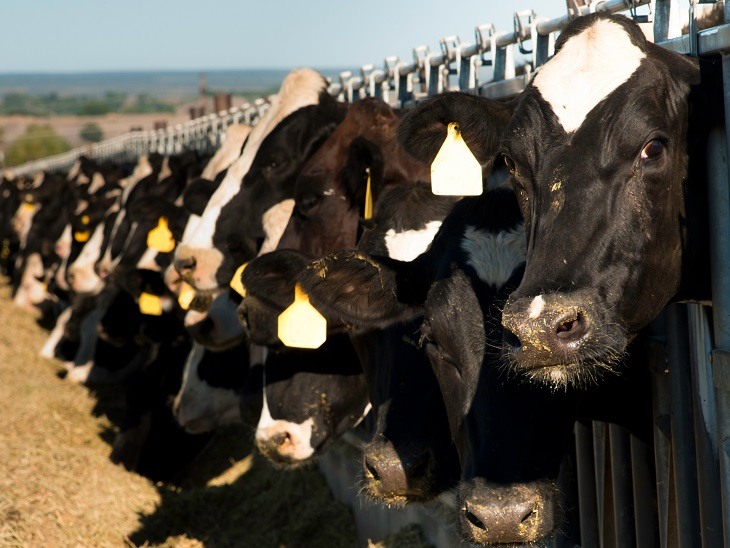
Commercial Dairy Industry Dumping Millions of Gallons of Surplus Milk
The U.S. food system is set up to protect industrialized, centralized food production and distribution, while efforts to decentralize food are kept strictly under wraps. There are many problems with this system, including the fact that food production is often out of sync with demand, leading to excessive amounts of waste. In 2016, for instance, the industrial dairy industry has dumped 43 million gallons of milk due to a massive milk glut. The glut is the result of a 2014 spike in milk prices, which encouraged many dairy farmers to add more milk cows to their farms. U.S. Department of Agriculture (USDA) data shows that dairy cows have increased by 40,000 in 2016, with a 1.4 percent increase in production per cow. With too much milk and nowhere to sell it, prices have tanked. Milk prices declined 22 percent in recent months to $16.39 per 100 pounds — a price so low some farmers can no longer afford to even transport it to the market.1 The milk glut isn’t only affecting the U.S., either. It’s been felt globally, which means milk producers can’t export their surplus milk. What’s a dairy farmer to do with a surplus of milk? Dump it — on fields, into animal feed or added to manure lagoons.

USDA Creates Dragnet to Collect Records of Private Food Club Members Around the U.S.
A USDA investigation of Pennsylvania farmer Amos Miller’s meat production practices has taken an ominous turn in recent days, apparently morphing into a national dragnet to collect the food purchase records of thousands of food club members around the country.

GMO: The Truth about the Science
Earlier this month, major biotech and agriculture groups sent a letter to key members of the House and Senate Appropriations Committee supporting the inclusion of $3 million in the fiscal year 2017 budget to “better inform the public about the application of biotechnology to food and agricultural production.” In plain English, these groups are asking for taxpayer dollars to fund propaganda efforts on behalf of the biotech industry. For those interested in real answers to questions about GMOs, we’ve recently updated and revamped our GMO Fact Check site. We’ve included the most up-to-date information on the safety of GMOs, the facts about GMOs and pesticide use, the epidemic of cross-pollination of GMOs with conventional (and/or organic) crops, the myth that GMOs increase crop yields, and much more. Our information is science-based and fully cited. Since industry has systematically attempted to corrupt so many government agencies, universities, and researchers working in this field, simply having accurate, scientific data is an accomplishment.
EPA Review of Glyphosate: Can a Truly Independent Panel of Scientists be Found?
The US Environmental Protection Agency (EPA) recently released a draft report finding that glyphosate—the active ingredient in Monsanto’s popular Roundup weed killer—is not likely to cause cancer in humans. This finding is preliminary, to be followed by the agency’s final review of glyphosate, which has been delayed until spring of 2017. The EPA decided to address the potential cancer-causing effects of glyphosate after the United Nations’ International Agency for Research on Cancer (IARC) announced last year that the chemical was a “probable carcinogen.” An “independent” panel of scientists will review the EPA’s report this month. But as our readers know, Monsanto and other biotech giants have so deeply corrupted the science of this issue that finding independent scientists would be a very tough challenge.

GMO Canola Escapes into Wild: New Mutant Plants Found
When consumers purchase organic produce, they expect to avoid vegetables and fruits that have been genetically modified or sprayed with dangerous pesticides. The unsettling reality, however, is that cross-contamination between GM plants and conventional or organic plants is not only possible—it is already happening. Millions of acres of GM rapeseed, which is used to make canola oil, the most popular cooking oil in North America, are being grown—in Canada and Australia in particular, but also in the US. This GM rapeseed has spread across the world, growing wild in ports, railway beds, along highways, and other areas where it has “escaped” during transport. Not only is it growing wild—it has contaminated another Brassica, the parent of cruciferous vegetables known as Brassica rapa. Organic broccoli, cauliflower, kale, Napa cabbage, Brussels sprouts, and more are now under threat.

Food Club Members Fight Back: Sue State for Food Rights
For years now, farmers have borne the brunt of government efforts to interfere with food rights and consumer access to the foods of their choice. That may be about to change, as consumers launch actions to take the burden of government harassment off farmers’ backs.
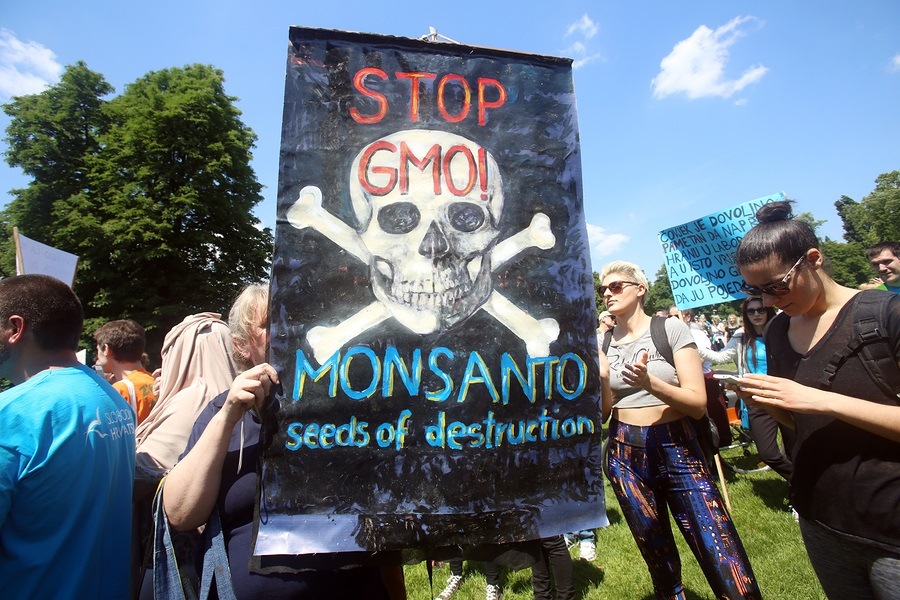
Monsanto Merger with Bayer: 3 Companies Will Soon Control 60% of World’s Seed Supply
A $66 billion buyout by the German pharmaceutical giant Bayer could make it harder for consumers to avoid products from the biotech behemoth. The number of companies controlling our food supply is about to shrink even further now that Bayer has bought Monsanto for $66 billion in cash, creating the world’s largest seed and pesticide company. The new megacorporation will control 25% of the world’s seeds and pesticides. Along with two other proposed biotech mergers, three companies will soon control the lion’s share of the world’s agricultural services, from seed production, to the herbicide and pesticide sprays that go on them, to the biotechnology used to produce them all. Monsanto/Bayer, Dow/DuPont, and Syngenta/ChemChina will sell 59% of the world’s seeds and 64% of the world pesticides.

GMO Labeling Bill Becomes Law: Now What?
On Friday, July 29, 2016 President Obama signed into law the GMO Labeling bill recently passed by Congress. This law preempts Vermont’s first-of-its-kind GMO Labeling law, which had just gone into effect on July 1, and authorizes the U.S. Department of Agriculture (USDA) to develop a mandatory disclosure program for “bioengineered” (aka GMO) foods. Now that the law has been enacted, all eyes are on USDA, which has the primary responsibility of implementing the law. USDA has one year to conduct the QR code feasibility study, and two years to develop the labeling standards and regulations. Both of these processes will also require public input before being finalized. USDA is likely to see thousands upon thousands of comments from stakeholders during these next phases of implementation. By law they are required to consider all comments received, suggesting that a long process is ahead. The agency is also likely to hold public meetings to allow stakeholders the opportunity to submit oral, as well as written, testimony. Given the highly contentious nature of this legislation and the GMO debate in general, we hope to see USDA proceed through this process in as transparent and inclusive a manner as possible. All of these issues point to a lengthy and involved few years before a final disclosure requirement is in place. And regardless, once the regulations have gone through the public rulemaking process, a legal challenge is highly likely, which could further delay implementation.
Monsanto’s New GMOs Spawn Illegal Use of Toxic Herbicides
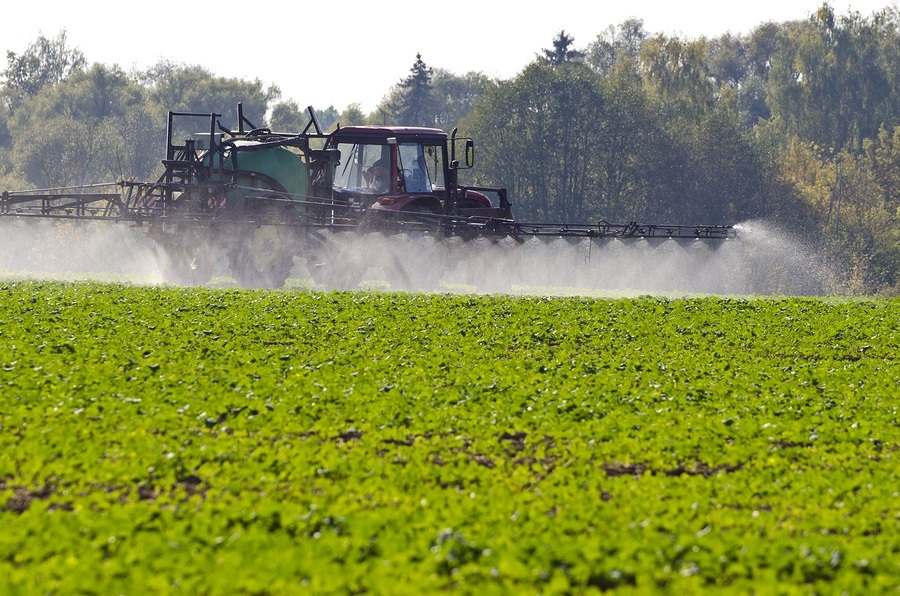
Farmers in Arkansas and Missouri have filed more than 100 complaints with state agriculture agencies over a toxic weed killer that is drifting from adjacent farms and damaging their crops. The herbicide is not only stunting the growth of soybeans – it's also being used illegally. As National Public Radio and The Wall Street Journal reported, farmers say the chemical, known as dicamba, is being illegally sprayed by neighboring farms growing genetically modified crops from seeds created and sold by Monsanto, known as Roundup Ready 2 Xtend.
Glyphosate Herbicide Disrupts Uterine Development
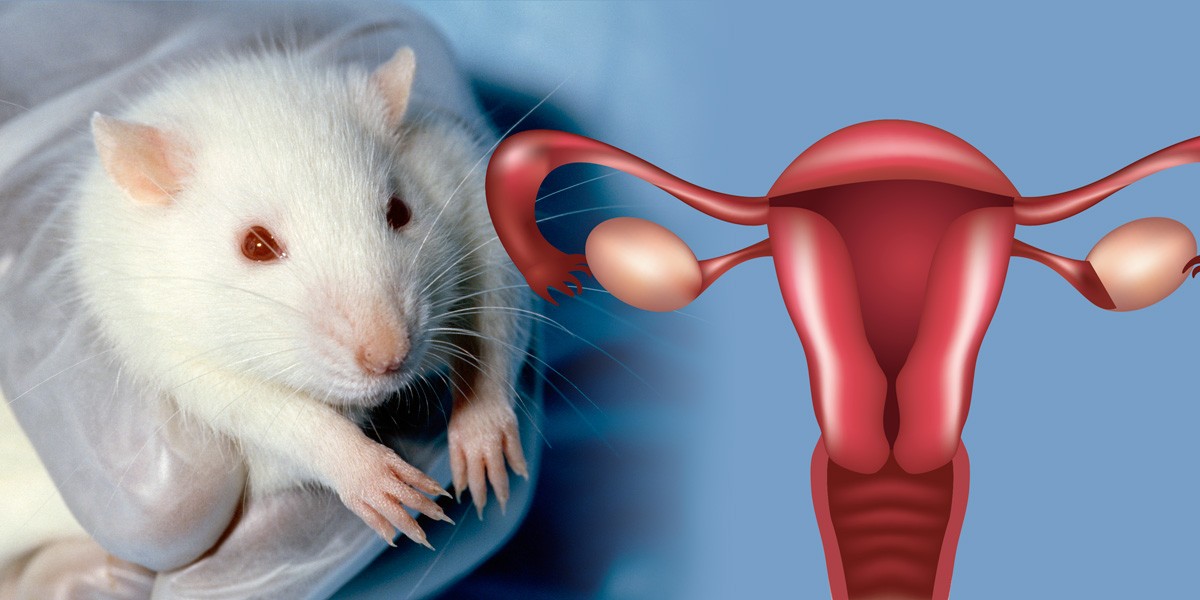
Glyphosate herbicide disrupts the development of the uterus of female rats when they are exposed for 7 days after birth, a recent study by Argentine researchers shows. The glyphosate herbicide caused cell proliferation and structural changes in the rats’ uterus. This was in spite of the fact that no signs of chronic or acute toxicity or differences in weight gain were seen in treated pups. Glyphosate herbicide also disrupted the expression of proteins involved in uterine development. The authors conclude that exposure to glyphosate herbicide may affect female fertility and/or promote the development of uterine cancer. They also state that their study is the first to show endocrine-disrupting effects of a glyphosate-based herbicide on the uterus of newborn and prepubertal rats, supporting the possibility that glyphosate-based herbicides might be endocrine disruptors.

Is Your Water Being Polluted by Big Pharma Chemicals?
A recent study by the US Geological Survey (USGS) has found that a startling number of American streams carry traces of drugs. The researchers sampled 59 small streams in the Southeast for 108 different pharmaceutical compounds, and one or more chemicals were detected in every sampled stream. Steams tested positive for six chemicals on average. Among the most common drugs found in the streams were acetaminophen (Tylenol), lidocaine (a pain reliever), tramadol (an opioid pain reliever), fexofenadine (an antihistamine found in Mucinex and Allegra, among others), and metformin (a type 2 diabetes drug). The contamination of our environment with pharmaceuticals is increasingly problematic. Not only are they in our drinking water, they’re in our food supply as well. Biosolids—a euphemism for human waste—are being pushed on unsuspecting farmers by local or state governments as a cheap fertilizer alternative, even though they can be riddled with drugs and personal care products and are rarely if ever tested for these substances. And the pharmaceuticals found in biosolids can wreak havoc on animal and plant life.